July 7, 2026
Understanding the significance of basement drainage systems is crucial for homeowners aiming to prevent water damage and maintain a dry, usable basement space. Water intrusion in basements can result in significant structural damage, mold growth, and health hazards. With the implementation of effective drainage solutions, homeowners can safeguard their investments and create additional usable space. This comprehensive guide will detail the components, types, and benefits, and help you choose the optimal system for your needs.
1. The Basics of Basement Drainage Systems
1.1 Understanding Water Infiltration
Water infiltration into basements is a common issue faced by many homeowners. This typically occurs when water seeps through cracks in the foundation or porous walls. Hydrostatic pressure from the surrounding soil can exacerbate these issues, pushing moisture into any opening it finds. According to FEMA FloodSmart, 99% of U.S. counties have experienced a flood event over the past 20 years, highlighting the importance of proactive water management solutions. Understanding these processes is the first step in selecting the appropriate drainage system for your basement.
1.2 Components of a Drainage System
A typical basement drainage system consists of several key components working together to keep water at bay. Sump pumps are pivotal, as they collect and expel water from the basement to the outside. Perimeter drains or French drains are installed along the foundation walls to redirect the water flow away. Additionally, vapor barriers are commonly used to prevent moisture from permeating basement walls and floors. These components form a cohesive system designed to effectively manage and control excess water.
1.3 Types of Basement Drainage Systems
There are primarily three types of basement drainage systems: internal, external, and combination systems. Internal systems focus on managing water after it has penetrated the basement, often using sump pumps and interior French drains. External systems involve waterproofing and redirecting water before it reaches the house, utilizing exterior French drains and waterproof coatings. Combination systems integrate both internal and external methods to provide comprehensive protection. Each system type has its distinct advantages and is suited to different scenarios and budgets.
1.4 Initial Signs of Water Problems
Early detection of water problems can prevent significant damage and costly repairs. Homeowners should be aware of signs like persistent moisture, unusual odors, and visible mold growth in the basement. Peeling paint, warped wooden fixtures, and the presence of efflorescence—white, powdery mineral deposits on walls—are also key indicators. Ignoring these signs can result in irreparable damage to a home's structural integrity and air quality. Regular inspections from a basement waterproofing company can help identify these issues in their nascent stages, allowing for immediate remedial measures.
2. Internal Basement Drainage Solutions
2.1 Interior French Drains
Interior French drains are a popular solution for controlling basement water issues. They are typically installed around the perimeter of the basement floor, beneath the surface. These drains collect excess water entering through the walls or floor and direct it to a sump pump system for removal. The effectiveness of an interior French drain depends on proper installation and the integration with other drainage components. When correctly implemented by a professional basement waterproofing company, they provide significant protection against flooding and water damage.
2.2 Sump Pump Systems
Sump pumps are essential in preventing basement flooding by collecting and removing water that accumulates in a sump pit. These systems are typically installed at the lowest point of the basement floor. Once the water level reaches a certain point, the sump pump activates, pumping the water away from the foundation to a safe drainage area. Regular maintenance, such as checking the pump and ensuring the discharge line is clear, is critical for optimal performance. Backup systems, like battery-powered pumps, are recommended in areas prone to power outages.
2.3 Vapor Barriers and Sealants
Vapor barriers and sealants are an integral part of internal basement drainage systems. These materials are applied to the walls and floors to prevent moisture intrusion. Vapor barriers are typically made from polyethylene or other impermeable materials, creating an effective moisture shield. Sealants are often used in conjunction with vapor barriers to fill and waterproof any existing cracks or openings. Together, they provide a robust defense against the damaging effects of moisture, ensuring a dry and healthy basement environment.
2.4 Subfloor Drainage Systems
Subfloor drainage systems are designed to capture water beneath the basement floor before it can rise to the surface. These systems consist of perforated pipes installed beneath the foundation slab. Water collected by these pipes is transported to a sump pump or gravity drain, depending on the setup. Effective subfloor drainage requires careful planning and professional installation to ensure that water is properly intercepted and directed away. They provide long-term protection for basements, particularly in high water table areas.
3. External Basement Drainage Solutions
3.1 Exterior French Drains
Exterior French drains are designed to intercept surface water before it reaches the home's foundation. These drains are composed of trenches filled with gravel and perforated pipes, installed along the exterior perimeter of the foundation. They play a crucial role in managing rainfall and preventing hydrostatic pressure from building up against the foundation walls. Regular checks are necessary to ensure the gravel is not compacted and the pipes remain unclogged. When properly maintained, exterior French drains effectively protect basements from water infiltration.
3.2 Waterproofing and Exterior Coatings
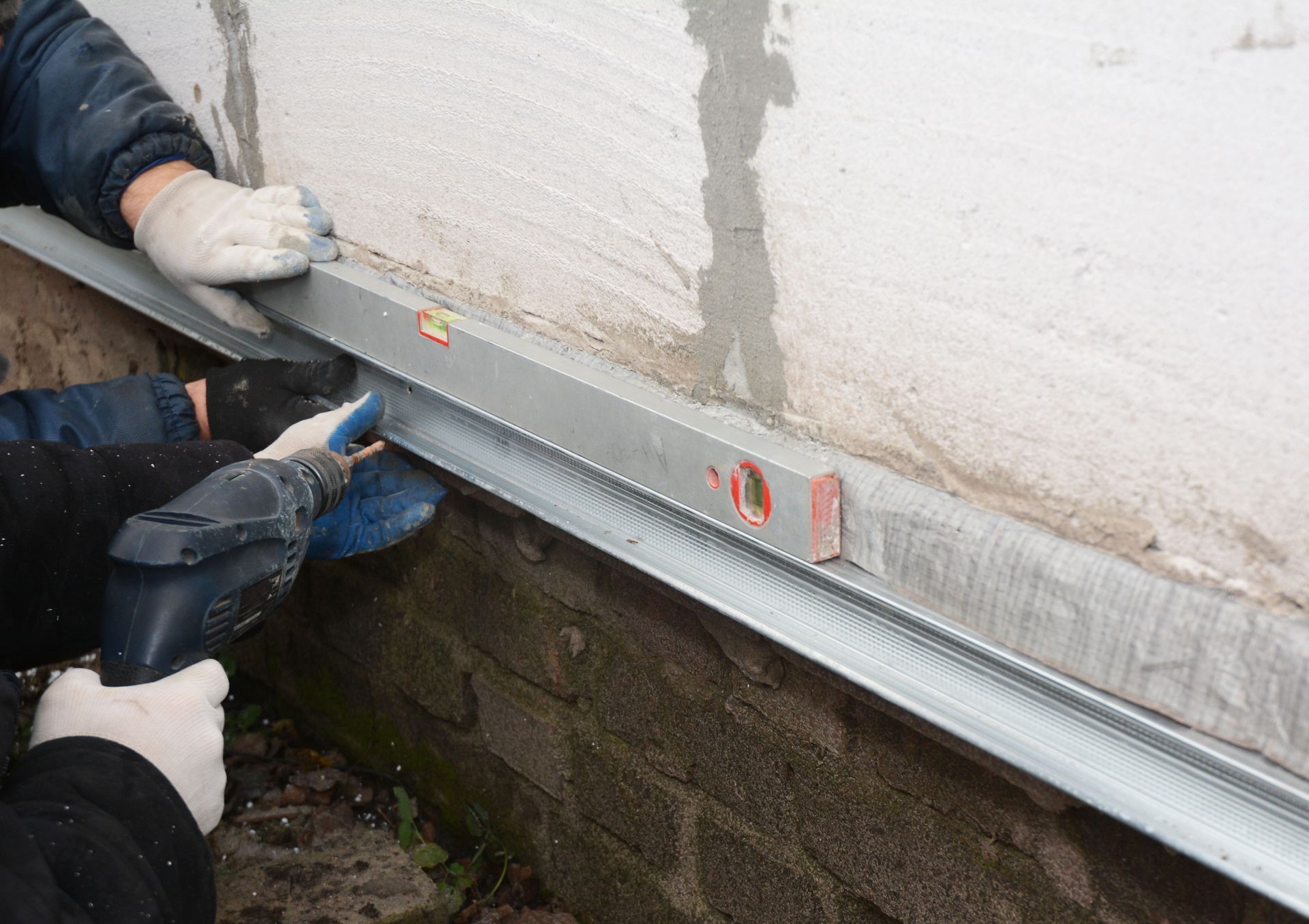
Waterproofing treatments and exterior coatings offer an additional layer of defense against water penetration. These systems involve the application of waterproof membranes or coatings on the exterior foundation walls. These materials act as barriers, preventing moisture from seeping through structural cracks. Technologies in waterproofing have advanced, providing long-lasting solutions that withstand various environmental conditions. Incorporating these protective measures enhances the robustness of external drainage systems, minimizing the risk of water damage.
3.3 Downspout and Gutter Systems
Effective downspout and gutter systems are fundamental to redirecting roof runoff away from the home's foundation. Clogged or improperly installed gutters can cause overflow, increasing the risk of water pooling around the foundation. Downspouts should be extended several feet away from the house to ensure proper drainage. Regular cleaning and inspection of these systems are vital to prevent blockages and maintain functionality. A well-maintained gutter and downspout setup significantly reduces the risk of basement water intrusion.
4. Choosing the Right Drainage System for Your Home
4.1 Assessing Your Home's Needs
Evaluating your home's specific drainage requirements with the help of a basement waterproofing company is the first step in choosing the right system. Factors such as the basement's current condition, local soil composition, and historical water issues should be considered. Homeowners should assess not just immediate needs but also future plans for the space, such as finishing or remodeling. A thorough assessment provides a targeted approach, ensuring the selected drainage system aligns with the home's unique characteristics. This tailored strategy maximizes system efficiency and longevity.
4.2 Consulting with Professionals
Engaging professionals at a reliable basement waterproofing company when selecting and installing a basement drainage system offers assurance of quality and expertise. Drainage specialists can conduct detailed assessments, recommend appropriate solutions, and ensure compliance with local building regulations. Collaborative discussions help align the homeowners' goals with technical realities, resulting in optimal system design. Professionals also provide insights into emerging technologies and products suited to specific conditions. Leveraging expert knowledge is invaluable when investing in a durable and effective drainage solution.
Implementing a reliable basement drainage system is essential for maintaining the integrity and value of a home. By taking proactive steps and consulting with professionals, property owners can optimize their drainage systems. Such efforts prevent costly water damage, enhance home usability, and contribute to overall peace of mind. Investing in comprehensive drainage solutions is synonymous with investing in the longevity and safety of your home. If you're looking for a quality basement waterproofing company, look no further than Mac Basement Dry!